
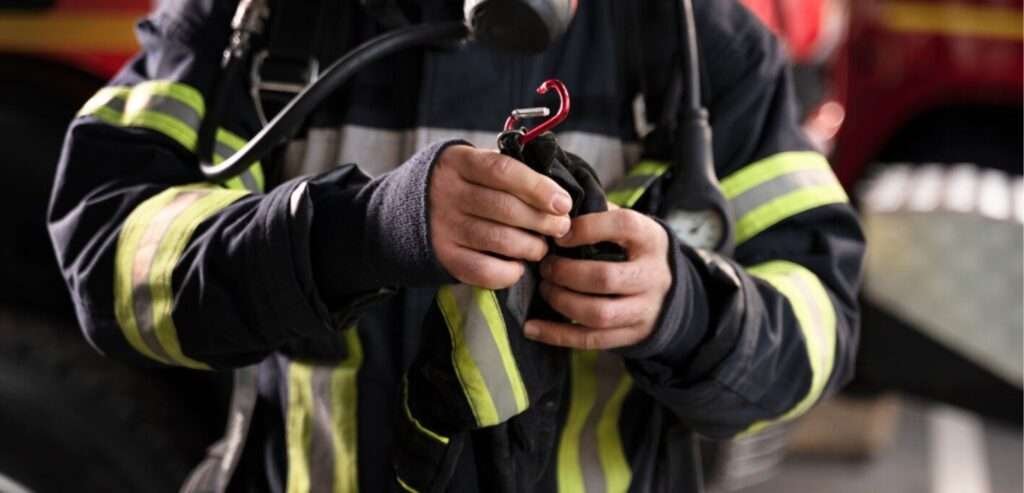
Rescue work leaves no room for doubt. Every second, every grip, and every piece of equipment must work exactly as expected. In critical moments, responders rely on tools that feel familiar, steady, and trustworthy. Rescue webbing plays a quiet yet powerful role in these situations. It supports weight, creates secure anchors, and offers flexibility when conditions change fast. When lives depend on stability and control, having the right webbing can make all the difference
Webbing may look simple, but its purpose is serious. It is designed to hold weight, resist wear, and stay reliable under pressure. Rescue teams use it for lifting, lowering, anchoring, and securing people or equipment. Because it is lightweight and compact, it can be carried easily and deployed quickly.
At the same time, its flat structure spreads force evenly. This reduces stress on connection points and helps prevent sudden failure. As a result, responders gain more control in unpredictable environments. That control helps lower risk and improve outcomes during emergencies.
During a rescue, gear must behave the same way every time. Consistency builds trust. When responders know how webbing reacts under load, they can focus on the task instead of worrying about equipment limits.
Research in rope access and rescue safety shows that professional-grade webbing with proper load ratings significantly reduces failure risks. Studies from industrial safety organizations highlight that evenly distributed load systems lower strain on anchors and improve overall system stability.
Because of this, experienced teams choose equipment tested beyond standard limits. Reliable materials protect both rescuers and victims, especially during high-angle or confined-space operations.
Strong rescue webbing is built with intention. Every detail supports safety and ease of use.
These features work together. When webbing performs consistently, responders move with confidence instead of hesitation.
Webbing adapts easily to many rescue needs. It can form anchors around trees, beams, or vehicles. It also works well for patient packaging, litter rigging, and equipment extension. Because it lies flat, it reduces pressure points and minimizes slipping.
In water rescues, webbing dries quickly and resists damage. In urban rescues, it fits tight spaces where bulky gear cannot. This versatility makes it a staple for trained professionals across multiple disciplines.
Reliable rescue webbing meets strict safety standards. Manufacturers test it for load limits, wear resistance, and stitching integrity. These tests often exceed real-world demands to ensure a safety margin.
According to industry data, equipment failure drops sharply when teams use certified gear inspected before and after each operation. Regular inspections catch small issues before they turn into serious risks.
This focus on testing and maintenance keeps rescue systems dependable, even after repeated use.
Safety is not only about strength. Handling plays a big role in fast-paced rescues. Webbing that twists, cuts into hands, or feels stiff can slow response times.
Well-designed webbing feels smooth and flexible. It knots cleanly and lies flat when wrapped around anchors. Because it is easier to manage, responders save time and reduce fatigue. Over long operations, that comfort supports better decision-making.
Different rescue roles require different tools. For example, firefighter webbing is often designed for rapid deployment and personal carry. It allows firefighters to secure victims, create emergency harnesses, or extend reach in confined spaces.
Using the right type of webbing for each task improves safety and efficiency. When equipment matches the situation, responders stay prepared instead of improvising under pressure.
Low-quality webbing may look similar, but performance tells a different story. Inferior materials wear faster and lose strength over time. In rescue situations, that risk is unacceptable.
Professional teams choose gear that lasts. They look for trusted suppliers who focus on safety, testing, and real-world performance. This mindset protects lives and supports long-term reliability.
Midway through many professional operations, teams rely on providers like On Rope 1 LLC, known for delivering dependable rope access, climbing, and rescue solutions that go beyond standard safety equipment. Our approach focuses on performance that holds up when it matters most.
Even the best gear requires proper training. Rescue webbing performs best when users understand load paths, knots, and anchor principles. Training builds muscle memory and confidence.
Regular practice also helps teams recognize wear signs early. When responders trust both their skills and equipment, operations run smoother and safer.
Investing in high-quality webbing saves time and money over the long term. Durable gear needs fewer replacements and performs consistently across many operations.
More importantly, it reduces mental strain during rescues. When responders trust their tools, they focus fully on the people they are helping. That clarity improves safety for everyone involved.
Rescue operations demand tools that never fail under pressure. Rescue webbing proves its value through strength, flexibility, and reliability. It supports complex systems while remaining simple to use. From anchors to patient support, it plays a vital role in safe outcomes. Choosing professional-grade webbing, backed by proper training and trusted suppliers, creates a safer working environment for responders and those they help.
If your team is ready to strengthen its rescue systems with dependable, field-tested equipment, connect with On Rope 1 LLC today and equip yourself with solutions designed to perform when lives are on the line.
We promise not to bombard your inbox. Keep an eye out for promotional offers, discounts and events from On Rope 1.